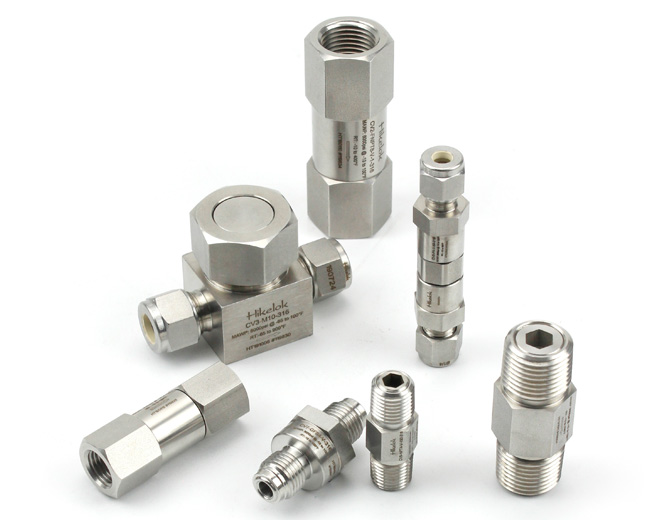
In fluid systems, the selection of check valves requires precise matching of pressure, flow rate, and installation requirements under different operating conditions. To this end, we have developed eight series of check valve products, CV1-CV8, which comprehensively cover the check requirements in scenarios such as petroleum, petrochemical, nuclear power, thermal power, laboratories, and instrument pipelines.
Different series have their own focuses in terms of structural compactness, opening pressure, temperature and pressure resistance, etc. The CV1 series, as our basic classic model, is the best entry point to understand the core working logic of the check valve. Next, let 's take the CV1 check valve as an example, disassemble its internal structure.
1. Structural Analysis of Check Valve CV1
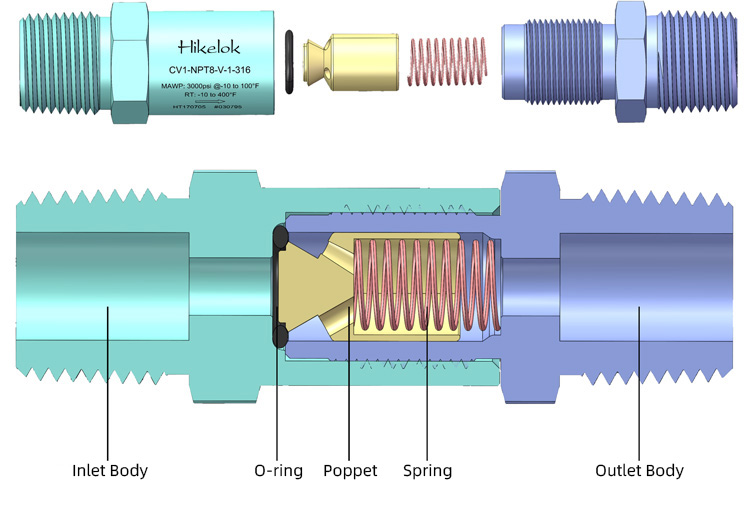
The performance of CV1 check valve stems from the precise cooperation of three key components:
Spring: The core design of the opening pressure, directly determining the threshold for valve opening and closing.
O-ring + poppet: constitute the core sealing structure, which has been repeatedly tested and verified to provide reliable guarantee for the sealing performance of the valve.
Valve body: The inlet and outlet valve bodies form a stable flow channel to ensure smooth flow of the medium.
2. Two core functionalities
1. Positive opening
When the inlet pressure reaches the opening pressure, the valve automatically opens, allowing the medium to flow smoothly;
When the inlet pressure drops below the resealing pressure, the valve automatically closes, cutting off the medium passage.
2. Reverse flow resistance
When the pressure difference between the inlet pressure and the reverse pressure reaches a certain value, the valve closes under the combined action of the reverse pressure and the spring force;
Effectively prevent downstream medium from flowing backwards, achieving the function of one-way flow.
3. Spring selection: Precise matching of opening pressure
The spring is the key to controlling the opening pressure, and we offer a variety of specification.
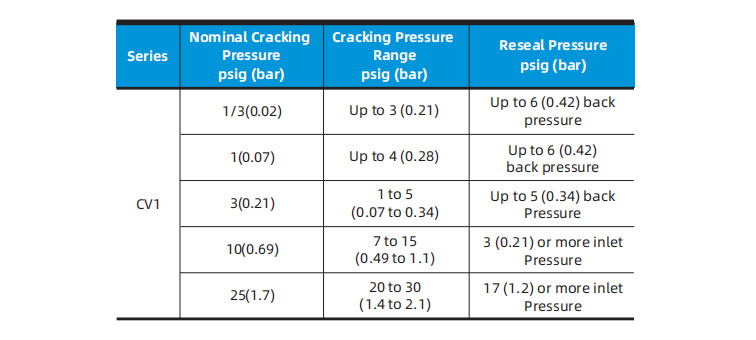
Opening pressure: The inlet pressure at which the flow is initially indicated to occur (stable bubble flow).
Re-sealing pressure: pressure when there is no flow indication.
Back pressure: The pressure difference between the inlet and outlet pressures.
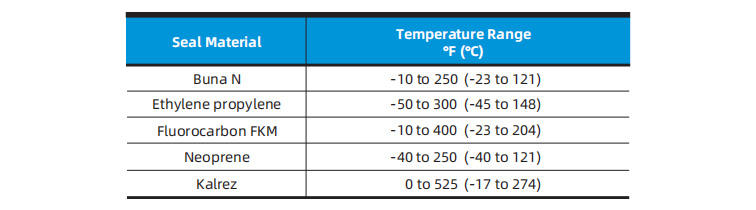
4. O-ring selection: adaptable to different working conditions
The O-ring directly affects the sealing effect, and we offer a variety of materials:
5. Installation and Maintenance Guide
Installation Requirements
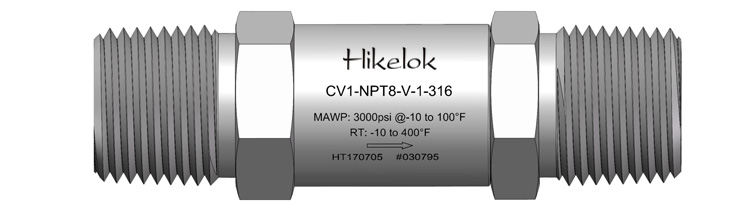
Installation must strictly follow the arrow direction indicated on the valve body, with the arrow direction representing the flow direction of the medium.
It is recommended to install horizontally. If installed vertically, for springs with a small opening force, it is recommended to have the medium flow upward to avoid additional effects from gravity.
Maintenance Suggestions
Regular inspection: Clean the valve body and O-ring sealing surface, and replace them promptly if aging or corrosion is detected.
Standard operation: Strictly follow the instructions on the valve body, and immediately stop using it if a fault occurs.
Warning sign: When conveying high-temperature or low-temperature media, it is necessary to post prominent warning signs.
Parts replacement: Before replacing parts, pressure must be relieved. The new parts must be exactly the same in size and material as the original ones.
For more ordering details, please refer to the selection catalogs on Hikelok's official website. If you have any selection questions, please contact Hikelok's 24-hour online professional sales personnel.
Post time: Mar-30-2026